



Introduction: The New Era of Ingredient Transparency
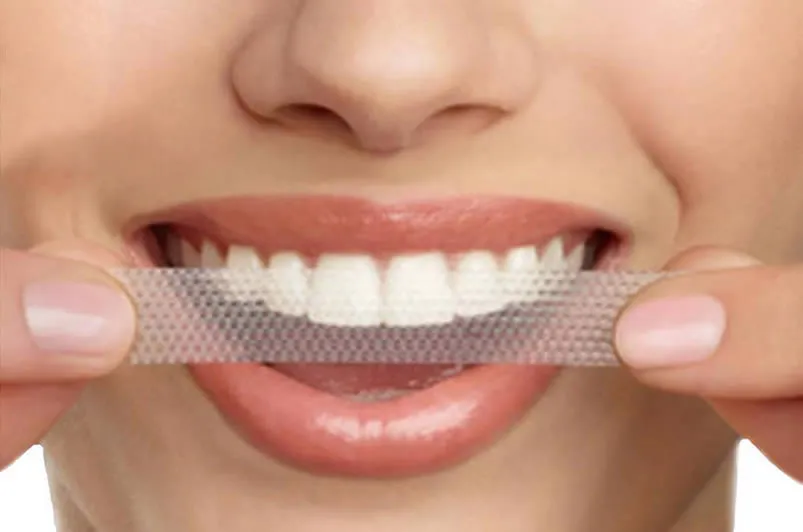
In the rapidly evolving oral care market, the “black box” of product formulation is being forced open. Today’s consumers are more informed than ever; they don’t just want whiter teeth—they want to know how and why a product works. For B2B buyers, brand owners, and dental distributors, understanding the chemistry behind whitening strips is no longer just a task for the R&D department; it is a core business advantage.
Whether you are looking to launch a private label line or restock a wholesale inventory, choosing the right chemical profile determines your market positioning. Are you a high-speed clinical brand, or a gentle, daily-use premium label? This comprehensive guide deconstructs the science of whitening strip ingredients to help you make data-driven procurement decisions that ensure both safety and high customer satisfaction.
-
The Active Bleaching Agents: The Engine of Whitening
The most critical part of any whitening strip is the active ingredient. This is what performs the actual work of removing organic stains from the tooth structure.
Hydrogen Peroxide (HP): The Traditional Powerhouse
Hydrogen Peroxide has been the industry standard for decades. It works by penetrating the porous enamel to reach the discolored molecules (chromogens) located in the dentin.
- The Chemistry: Through an oxidation-reduction reaction, HP releases free radicals that break the chemical bonds of deep-seated stains, effectively “bleaching” the tooth from the inside out.
- B2B Consideration: While highly effective, HP can lead to tooth sensitivity and gum irritation if the concentration is too high or the pH is unbalanced. In many regions like the EU and Australia, concentrations over 0.1% are strictly restricted for over-the-counter sales, making it a “high-barrier” ingredient for global brands.
PAP+ (Phthalimidoperoxycaproic Acid): The Modern Disruptor
As the global market shifts toward “sensitivity-free” and “enamel-safe” solutions, PAP+ has emerged as the leading alternative to traditional peroxides.
- The Innovation: Unlike peroxide, which can be indiscriminate in what it attacks, PAP+ oxidizes stains without releasing the aggressive free radicals that damage the tooth’s organic matrix. It focuses specifically on breaking down the pigments that cause yellowing.
- The Result: Users achieve professional-level whitening results in a shorter timeframe without the “zingers” or sharp nerve pains associated with traditional strips. For brands targeting the premium “at-home spa” segment, PAP+ is the gold standard for 2026.
-
Adhesion Technology: Why “The Grip” Matters
A whitening strip is only as good as its ability to stay in place. If the gel slides off the teeth, the active ingredients mix with saliva, leading to ingestion and reduced efficacy.
PVP (Polyvinylpyrrolidone)
PVP is a high-performance polymer used to create the “tack” or stickiness of the strip.
- Dry-Strips vs. Wet-Strips: Professional-grade “Dry-Strips” use a specific molecular weight of PVP. This ensures the strip is dry to the touch in the packaging but creates a powerful, non-slip bond the moment it contacts the moisture on the teeth.
- Marketing Edge: High-adhesion strips allow users to drink water or talk while whitening, which is a massive selling point for the modern, multi-tasking consumer.
-
Desensitizing & Remineralizing Agents: The Competitive Edge
To create a truly superior product, you must address the primary side effect of whitening: sensitivity. This is where “value-added” ingredients transform a basic product into a premium one.
Hydroxyapatite (nHAp)
Hydroxyapatite is a biomimetic ingredient that makes up roughly 97% of our natural tooth enamel.
- The Function: During the whitening process, nHAp works to “plug” the microscopic tubules in the dentin that lead to the nerves.
- The Benefit: It doesn’t just mask pain; it physically repairs and remineralizes the enamel while the whitening agent works. This “Whiten & Repair” dual-action is a powerful marketing hook.
Potassium Nitrate
Often found in sensitivity-specific toothpastes, Potassium Nitrate acts as a nerve desensitizer. It is an essential inclusion for peroxide-based formulas to ensure the user experience remains comfortable and results in repeat purchases.
-
Stability and Logistics: The B2B Reality
For international trade, the stability of the formula is paramount. A product that degrades in a shipping container is a liability.
-
Comparative Analysis: Choosing Your Formula
When developing your product line, you must balance cost, speed, and safety.
-
The Importance of pH Balancing
One often overlooked ingredient in whitening strips is the pH Adjuster (such as Sodium Hydroxide).
- The Science: A formula that is too acidic (below pH 5.5) can dissolve enamel over time.
- The Standard: High-quality manufacturers ensure a “neutral-leaning” pH. This protects the tooth’s structural integrity while maximizing the activation of the bleaching agent. When auditing a supplier, always ask for the pH specifications of their gel.
-
Market Trends: What to Expect in 2026
The industry is moving toward “Oral Wellness.” We are seeing a rise in:
- Vegan & Cruelty-Free Formulas: Appealing to the ethical consumer.
- Infused Strips: Adding Vitamin E or Coconut Oil to soothe gums during the process.
- LED-Optimized Gels: Formulas designed to be photo-activated by handheld bleaching lights to accelerate results.
-
Case Study: Why Formula Matters for Brand Loyalty
In 2025, several emerging brands in the UK pivoted from 6% Hydrogen Peroxide to PAP+ formulas. The result? A 40% reduction in customer service inquiries regarding “tooth pain” and a 25% increase in subscription renewals. For a B2B wholesaler, this shift reduces the “churn” of your retailers, ensuring they reorder consistently because their end-consumers are happy.
-
Frequently Asked Questions (FAQ)
Q: Can I customize the concentration of ingredients for my brand? A: Absolutely. As a professional manufacturer, we can adjust the levels of PAP+ or Peroxide to meet your specific market regulations (such as CPSR for Europe) and target efficacy.
Q: How do I ensure my strips don’t dry out in the warehouse? A: Our formulas use high-grade humectants like Glycerin and airtight aluminum foil packaging to ensure a stable 2-year shelf life, even during long-haul sea freight.
Q: Is PAP+ as effective as Hydrogen Peroxide? A: Clinical studies suggest that PAP+ achieves comparable whitening shades to low-concentration peroxide but without the associated enamel demineralization or nerve sensitivity.
-
Conclusion: Quality Starts with the Formula
Success in the teeth whitening industry isn’t about having the loudest marketing; it’s about having the most reliable formula. By focusing on advanced actives like PAP+, superior adhesives like PVP, and restorative agents like Hydroxyapatite, you create a product that builds brand loyalty through genuine results.
For wholesalers and private label brands, the goal is to provide a safe, effective, and painless experience. When your customers see the results without the discomfort, they become lifelong advocates for your brand.
Post time: Mar-06-2026