



Achieving a bright, pearly-white smile from the comfort of your home has become a cornerstone of modern self-care. However, as the popularity of home treatments rises, so does the confusion surrounding their use. The most frequent question dental experts receive is: “How long should I actually leave whitening strips on my teeth?”
If you remove them too early, you may not see any change, effectively wasting your investment. If you leave them on too long, you risk “zingers” (sharp nerve pains), gum irritation, and long-term enamel erosion. In this 2025 ultimate guide, we dive deep into the science of contact time, ingredient safety, and the professional secrets to maximizing your results safely with teeth whitening strips without compromising your dental health.
1. The Science of Contact Time: Why Minutes Matter
The duration recommended on your whitening strip box isn’t a suggestion—it is a chemical calculation. To understand why timing is critical, we must look at how whitening agents interact with your anatomy.
The Oxidation Process
Most whitening strips use a peroxide-based gel (Hydrogen Peroxide or Carbamide Peroxide) or a non-peroxide alternative like PAP+. When these chemicals sit on your teeth, they release oxygen molecules that enter the porous surface of your enamel. These molecules break the chemical bonds of “chromogens” (the compounds that cause staining).
The Peak Performance Window
The chemical reaction has a “life cycle.” For most over-the-counter strips, the active ingredients are most potent during the first 20 to 45 minutes. After this window, the peroxide often becomes “spent,” meaning it has finished its reaction. Leaving the plastic strip on beyond this point doesn’t make your teeth whiter; it simply dehydrates the tooth and traps acidic byproduct against your enamel, which leads to sensitivity.
2. Quick Reference: Recommended Wear Times by Product Type
Not all strips are created equal. Using a 60-minute express strip for only 20 minutes will yield zero results, while leaving a 20-minute daily strip on for an hour could be painful.
| Whitening Strip Technology | Recommended Wear Time | Best Use Case | Sensitivity Risk |
| Standard Peroxide (6-10%) | 30 Minutes | Everyday stain removal | Moderate |
| Professional/Express Strips | 60 Minutes | Rapid whitening before events | High |
| PAP+ (Non-Peroxide) | 20-30 Minutes | Sensitive teeth / Enamel safety | Near Zero |
| Dissolvable Strips | 10-15 Minutes | On-the-go maintenance | Low |
If you are looking for the most efficient balance between speed and comfort, the PAP+ Teeth Whitening Strips represent the latest advancement in home dental care.
3. The Dangers of “Over-Whitening”: Why More Isn’t Better
In the quest for a perfect smile, many users fall into the “more is better” trap. However, over-extending your wear time can lead to several clinical issues that may require a trip to the dentist to fix.
Acute Sensitivity and “Zingers”
Your teeth are filled with microscopic channels called dentinal tubules. When you whiten, these tubules open up. If exposed to peroxide for too long, the nerves inside the teeth become overstimulated. This results in “zingers”—sudden, sharp stabs of pain that can make breathing cold air or drinking water unbearable for 24–48 hours.
“Blanching” of the Gums
If a strip is left on too long and slips onto the soft tissue, it can cause a chemical burn. This manifests as white, painful spots on the gums. While the tissue usually regenerates within a few days, repeated burns can lead to gum recession, which is permanent.
4. Professional Secrets: 5 Steps to Maximize Your Results
To get the most out of your whitening experience, it’s not just about the time—it’s about the technique.
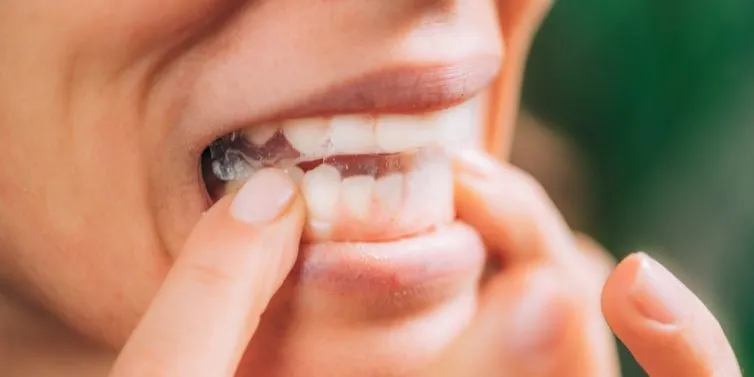
Step 1: The “Tissue Test” (Dry Teeth)
Saliva is the enemy of whitening gel. Use a clean, dr y tissue to wipe your upper and lower teeth immediately before applying the strips. You will notice the strips “grip” much better.
Step 2: Mind the Gap (Placement)
Don’t just slap the strip on. Use a fingernail or a toothpick to gently press the strip into the crevices between your teeth. If the strip only touches the flat front surface, you will end up with “yellow borders.”
Step 3: Timing is Everything
Choose a time of day when you won’t be tempted to talk or drink. Most people find that whitening before bed is best, as it allows the teeth to “re-hydrate” overnight.
Step 4: Don’t Brush… Yet
Never brush your teeth immediately before applying strips. Brush at least 30-60 minutes prior, or just rinse with water.
Step 5: Post-Removal Care
After removing the strips, rinse your mouth with lukewarm water. Using a high-quality teeth whitening kit designed for modern enamel will significantly reduce the risk of post-treatment dehydration.
5. The “White Diet”: Protecting Your Investment
For the first 24–48 hours after a whitening session, your teeth act like a sponge. The pores are open, and they will soak up any pigment they encounter. To maintain your results, follow the “White Diet.”
- Foods to Avoid: Coffee, black tea, red wine, turmeric, and dark berries.
- Foods to Embrace: Chicken, turkey, white fish, white rice, and dairy products.
6. PAP+ vs. Peroxide: Choosing the Right Technology for You
As we move through 2025, the industry is shifting toward PAP+. If you find that you cannot even finish a 30-minute session with standard strips due to pain, you should switch to this newer technology.
Unlike peroxide, PAP+ does not release free radicals that attack the tooth’s nerves. You can find this breakthrough technology in our enamel-safe whitening collection, ensuring you get professional results without the ‘zingers’.
7. Frequently Asked Questions (FAQ)
Q: Can I leave whitening strips on for 2 hours if I want faster results?
A: No. Most of the active ingredient is used up in the first 45 minutes. Keeping them on longer only increases the risk of side effects.
Q: Should I rinse my mouth after taking the strips off?
A: Yes. Once the time is up, remove the strips and rinse with water to remove any residual gel.
Conclusion: Consistency is the Key to a Brighter Smile
Knowing how long to leave whitening strips on is only half the battle. The real secret to a celebrity-level smile is consistency and safety. By sticking to the recommended 20-30 minute window, drying your teeth before application, and following the “White Diet,” you can achieve professional results at a fraction of the cost.
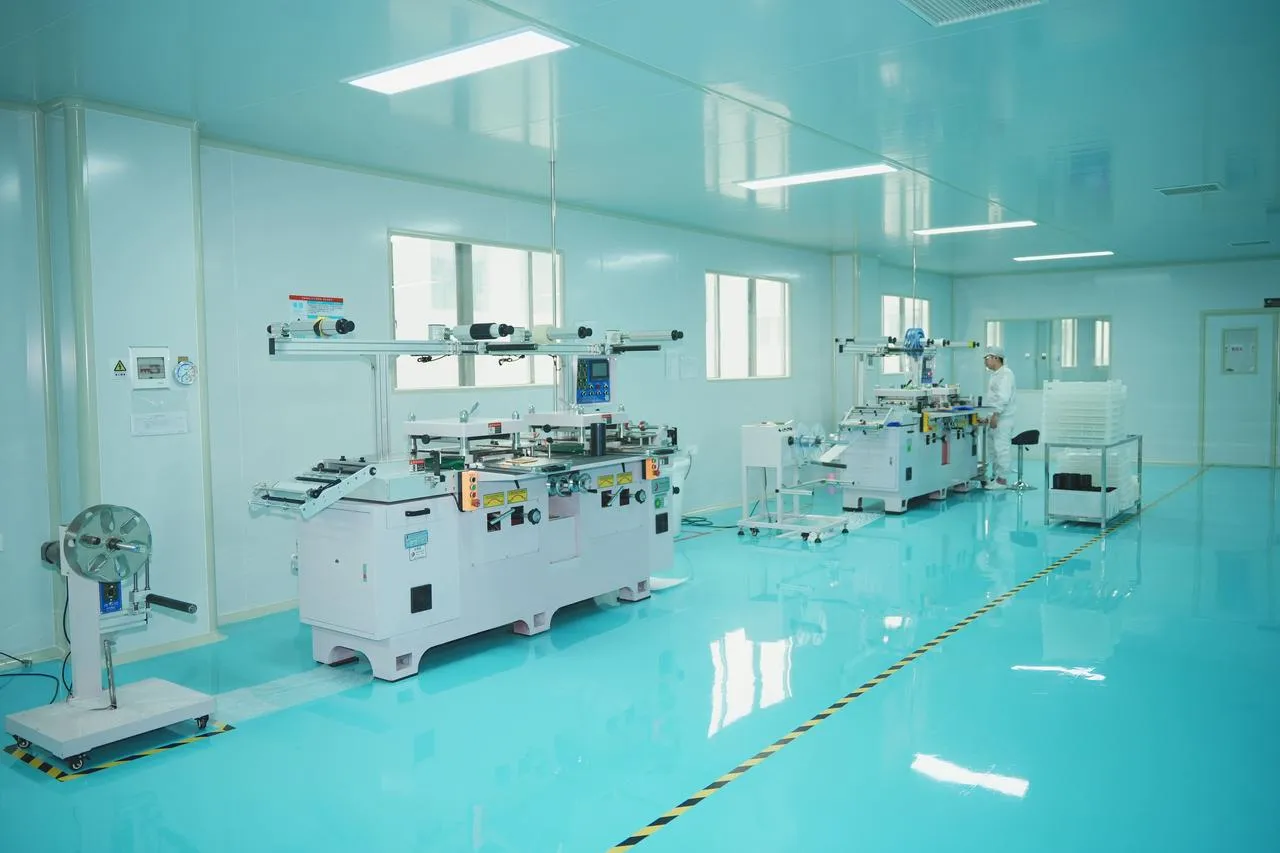
Deliver professional-grade, pain-free results to your clients with our 2025 PAP+ technology. We provide high-margin, compliant supply chain solutions for brands and clinics worldwide. Inquire about our wholesale teeth whitening strips today to scale your business with premium oral care inventory.
Post time: Dec-17-2025