



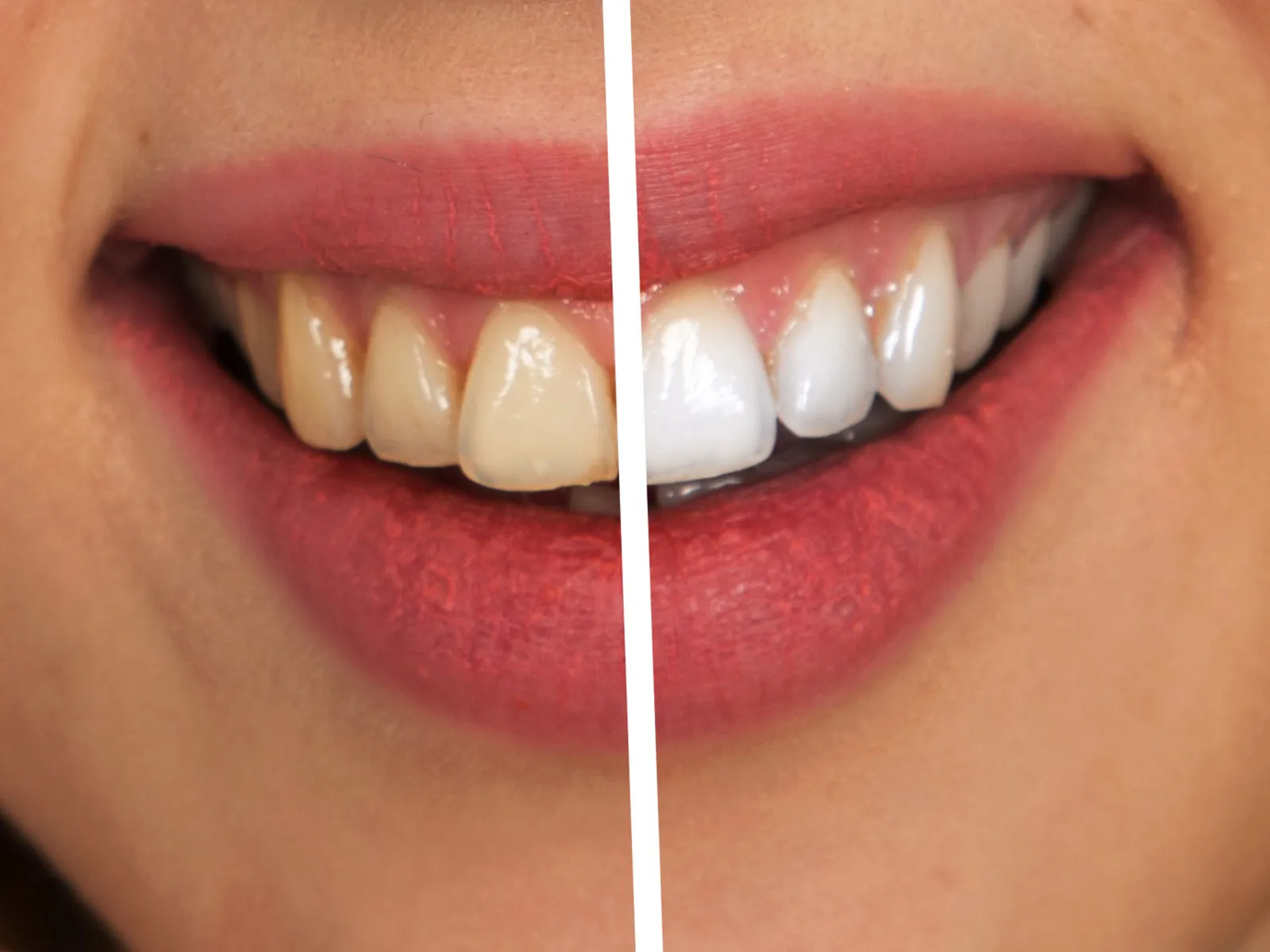
Does peroxide whiten teeth? The consensus among dental professionals is a definitive yes. Hydrogen peroxide and its stable derivative, carbamide peroxide, are the industry-standard active ingredients for chemical tooth bleaching. These compounds work by penetrating the porous structure of the enamel to initiate an oxidation reaction, which breaks down the long-chain dark molecules responsible for discoloration. According to the American Dental Association (ADA), peroxide-based whitening is the most effective and widely studied method for achieving significant shade improvement in natural teeth.
1. The Science of Oxidation: How Does Peroxide Whiten Teeth?
To answer the fundamental question—does peroxide whiten teeth—we must explore the anatomy of a tooth stain. Stains are typically organic compounds called chromogens that become trapped in the crystalline matrix of your enamel and the underlying dentin.
When peroxide is applied, it acts as a powerful oxidizing agent. It produces free radicals (oxygen ions) that migrate through the enamel’s pores. These radicals target the double bonds of the pigment molecules, breaking them into smaller, colorless fragments. Because peroxide can reach the dentin—the layer beneath the enamel that actually determines the tooth’s overall color—it can correct deep-seated “intrinsic” yellowing that surface-level charcoal or abrasive toothpastes simply cannot touch.
2. Choosing Your Strength: “What peroxide concentration is best for whitening?”
When browsing whitening options, consumers often ask: “What peroxide concentration is best for whitening?” The answer depends on your goal and your history of tooth sensitivity. Higher concentrations work faster but carry a higher risk of temporary irritation.
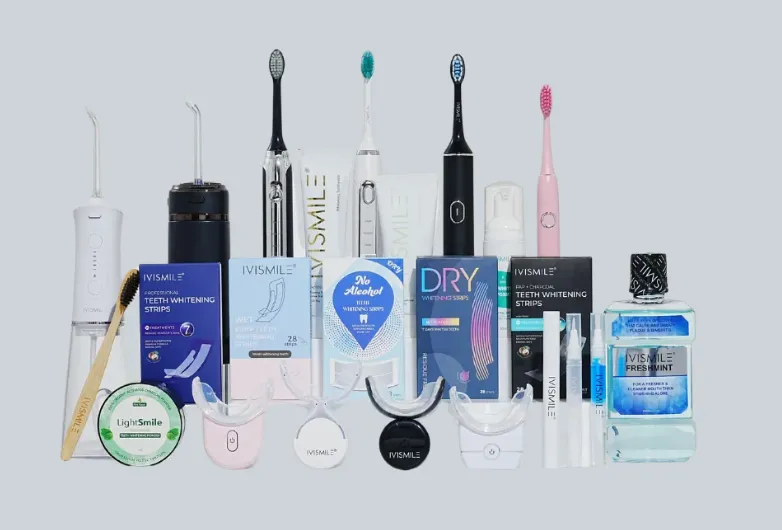
| Treatment Type | Active Ingredient | Concentration | Application Goal |
| Daily Toothpastes | Hydrogen Peroxide | 0.1% – 1% | Maintenance and surface stains |
| At-Home Strips | Hydrogen Peroxide | 6% – 14% | 1–2 shades of lift in 10 days |
| Home Tray Gels | Carbamide Peroxide | 10% – 22% | Professional results over 2 weeks |
| Professional Bleaching | Hydrogen Peroxide | 25% – 40% | Instant 5–8 shade lift |
While 40% hydrogen peroxide provides an immediate “wow” factor, many dental experts recommend a 10% to 15% carbamide peroxide gel for home use. This concentration offers a slower release of oxygen, which significantly reduces the likelihood of sharp “zingers” or shooting pains during the process.
3. Safety and Sensitivity: “Does peroxide damage tooth enamel?”
A primary concern for anyone searching for “does peroxide whiten teeth” is the long-term safety of the procedure. A frequently asked long-tail question is: “Does peroxide damage tooth enamel or cause permanent sensitivity?”
Clinical research indicates that peroxide does not “eat away” at the enamel when used at appropriate pH levels. However, it does temporarily increase the permeability of the tooth. This process allows the nerves inside the pulp to become more sensitive to thermal changes (hot and cold).
Best Practices to Prevent Damage:
- Use pH-Balanced Gels: Acidic gels cause erosion. Ensure your product is formulated at a neutral pH.
- Avoid Over-Whitening: Limit full treatment cycles to twice a year.
- Incorporate Fluoride: Using a fluoride-rich toothpaste helps “re-seal” the enamel pores after a session.
4. Addressing Common Myths: “Does peroxide whiten teeth better than natural remedies?”
The “natural” beauty movement has led many to ask: “Does peroxide whiten teeth better than charcoal or coconut oil?” While natural methods are appealing, they lack the chemical ability to change the actual color of your teeth.
- Charcoal & Baking Soda: These are abrasives. They work like sandpaper to remove surface stains but can wear down enamel if used daily. Once enamel is thinned, the yellowish dentin shows through more clearly, making teeth look darker.
- Peroxide: This is a chemical bleach. It changes the internal color without mechanical abrasion.
For those serious about a transformation, science confirms that peroxide is the only non-invasive ingredient capable of delivering a true whitening effect.
5. Implementation: “How to use peroxide for teeth whitening at home safely?”
If you have decided to start a regimen, you might be wondering: “How to use peroxide for teeth whitening at home safely?” Success lies in the preparation and the “White Diet” post-treatment.
- The Pre-Whitening Clean: Plaque and tartar act as a barrier. Always brush and floss before applying peroxide to ensure the gel makes direct contact with the enamel.
- The Application: Use a “less is more” approach. If gel oozes out of your tray and onto your gums, it can cause chemical blanching (white, painful spots). Use a cotton swab to wipe away excess gel immediately.
- The 48-Hour Rule: After whitening, your teeth are essentially “thirsty” and will absorb pigments more easily. Avoid coffee, tea, berries, and soy sauce for at least 48 hours to lock in your results.
6. Real Talk: “Will peroxide whiten my fillings and crowns?”
It is a common disappointment for users to realize that peroxide only whitens natural teeth. If you have a porcelain crown, bridge, or composite bonding on your front teeth, the peroxide will not change its shade.
This can lead to “mismatched” teeth where your natural enamel becomes bright, but your dental work remains dark or yellow. If you are planning a smile makeover, it is highly recommended to whiten your natural teeth first and then have your dentist match your new crowns or fillings to your brightened shade.
7. The Final Verdict: Is Peroxide the Right Choice for You?
The evidence is clear: does peroxide whiten teeth? Absolutely. It is the most reliable, safe, and cost-effective way to reverse years of staining and aging. Whether you opt for a high-intensity professional session or a gradual home-care kit, peroxide offers a level of efficacy that other ingredients simply cannot match.
By choosing products with the right concentration and following a structured post-care routine, you can safely achieve the aesthetic results you desire.
Summary of Key Takeaways:
- Mechanism: Peroxide uses oxygen to break down internal stains.
- Safety: Sensitivity is temporary; enamel damage is avoided by using neutral-pH products.
- Maintenance: Results last longer when combined with a “White Diet” and regular hygiene.
Take the Next Step
Ready to experience the power of peroxide for yourself? Visit to explore our curated selection of professional-grade whitening kits, desensitizing gels, and expert advice to help you maintain your brilliance.
Post time: Dec-25-2025