



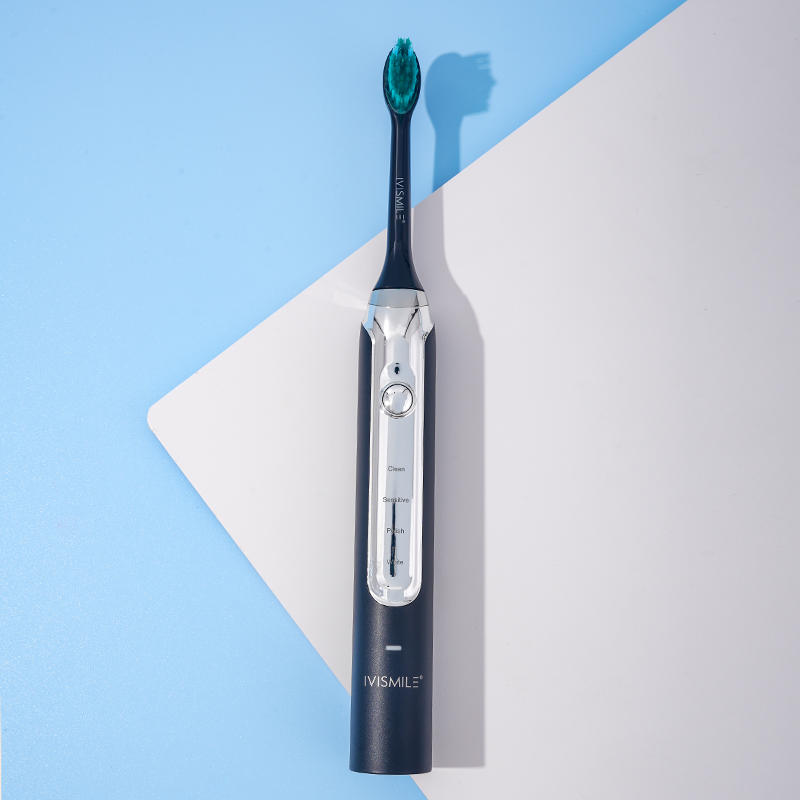
For dental professionals and oral care distributors, addressing gum sensitivity is a recurring challenge. Gingival recession and tooth sensitivity affect a significant portion of the global population, often leading patients to avoid effective cleaning for fear of discomfort. As a result, the recommendation of a proper cleaning tool becomes a clinical necessity. Among the available technologies, sonic electric toothbrushes have emerged as the gold standard for maintaining periodontal health without compromising enamel integrity.
-
Understanding the Science of Sonic Technology
Unlike oscillating-rotating toothbrushes that rely on mechanical scrubbing, sonic technology operates through high-frequency vibrations. These vibrations typically range from 31,000 to 48,000 strokes per minute.
For patients with sensitive gums, the primary benefit of sonic technology is its “fluid dynamics.” The rapid movement of the bristles creates micro-bubbles from toothpaste and saliva, which are propelled deep into interdental spaces and beneath the gumline. This allow for a “non-contact” cleaning effect, reducing the need for physical pressure—a crucial factor in preventing further gingival irritation or recession.
-
Why Dental Professionals Prioritize Pressure Control
One of the leading causes of gum sensitivity is “toothbrush abrasion”—the result of using a manual brush with excessive force. Modern sonic devices, address this by incorporating intelligent sensors.
When recommending a device, dentists look for features that take the guesswork out of oral hygiene. A smart sonic brush that automatically adjusts intensity or alerts the user when pressing too hard is not just a luxury; it is a preventative tool. By moving the burden of technique from the patient to the device, clinicians can ensure a more consistent and safer cleaning experience.
-
Tailoring Intensity: The Power of Multiple Cleaning Modes
Not all sensitivity is the same. A patient might experience acute sensitivity following a professional whitening treatment, while another might have chronic periodontal issues. This is why a “one-size-fits-all” approach to power settings is insufficient for the B2B market.
Professional-grade sonic brushes now feature specialized modes designed specifically for these nuances:
- Sensitive Mode: Operates at a lower frequency to gently massage the gums while removing plaque.
- Gum Care Mode: Focuses on stimulating blood flow to the gingival tissue to aid in healing.
- Whitening Mode: Uses higher frequencies to remove surface stains without the use of abrasive chemical pastes.
Providing these options allows distributors to market a single device to a broad demographic, from post-operative patients to daily wellness seekers.
-
Bristle Material: The Silent Contributor to Comfort
While the motor is the heart of the toothbrush, the bristles are the point of contact. For sensitive gums, the industry standard has shifted toward high-quality DuPont or Pedex soft bristles. These filaments are designed with rounded tips (end-rounding) to ensure they glide over the soft tissue rather than scratching it.
In the context of the Smart Sonic Electric Toothbrush, the use of 3D curved bristle designs allows the brush head to conform to the natural shape of the teeth. This ensures maximum surface contact with minimal pressure, further protecting the delicate gingival margin.
-
The Role of Smart Timers in Periodontal Health
Patients often overestimate how long they brush. For someone with sensitive gums, brushing for too long in one area can lead to irritation, while brushing too quickly leads to plaque buildup.
Integrating a 2-minute professional timer with 30-second interval alerts ensures that the patient cleans all four quadrants of the mouth equally. This structured approach prevents over-brushing in sensitive areas while ensuring that no zone is neglected, promoting overall gum health.
-
B2B Perspective: What Distributors Should Look For
For wholesalers and brand owners, selecting a sonic toothbrush for their portfolio requires more than just checking technical boxes. It requires a product that balances clinical efficacy with consumer appeal.
Key Considerations for Global Markets (US & EU):
- Waterproof Ratings: An IPX7 rating is essential for durability, allowing users to clean the device under running water or use it in the shower.
- Battery Longevity: Modern consumers demand convenience. A device that offers 30 to 60 days of use on a single USB-C charge reduces the “friction” of daily use.
- Certification: Compliance with FDA, CE, and RoHS standards is non-negotiable for entering the North American and European markets.
-
Comparison: Manual vs. Sonic for Sensitive Gums
| Feature | Manual Toothbrush | Sonic Electric Toothbrush |
| Plaque Removal | Low (User Dependent) | High (Fluid Dynamics) |
| Gum Irritation Risk | High (due to pressure) | Low (due to vibration) |
| Consistency | Low | High (built-in timers) |
| B2B Demand | Stagnant | High Growth |
-
Conclusion: The Strategic Recommendation
As the oral care market continues to prioritize specialized solutions, the shift toward smart sonic technology is inevitable. For the dentist, recommending a sonic toothbrush for sensitive gums is an investment in the patient’s long-term health. For the distributor, it is a response to a growing consumer awareness of the link between gentle cleaning and periodontal longevity.
By focusing on devices that offer precision control, superior bristle quality, and intelligent feedback—like the IVISMILE Smart Sonic series—brands can provide a solution that is both effective and exceptionally gentle. In the landscape of 2026, the best toothbrush is the one that cleans effectively while respecting the biological limits of the user’s smile.
FAQ for Oral Care Professionals
Q: Can sonic toothbrushes cause more sensitivity?
A: No, when used correctly with soft bristles and the appropriate ‘Sensitive’ mode, sonic vibrations are actually gentler on the gums than the manual scrubbing motion.
Q: How often should the brush head be replaced for sensitive patients?
A: To maintain hygiene and bristle integrity, brush heads should be replaced every 3 months, or sooner if the bristles appear frayed.
Q: Is sonic technology safe for patients with dental implants or veneers?
A: Yes, the vibration-based cleaning is safe for all types of dental work, provided the device is used according to the manufacturer’s guidelines.
Post time: Feb-25-2026