



 In the hyper-competitive global oral care market, the pressure to maintain healthy margins is relentless. When sourcing products like teeth whitening kits, PAP+ gels, or LED dental devices, it is tempting to gravitate toward the lowest quote on your desk. After all, on a spreadsheet, a $2.00 unit looks significantly better than a $3.50 unit when you are ordering tens of thousands of pieces.
However, in B2B dental sourcing, the “sticker price” is often a mask. Experienced procurement officers know that the cheapest quote is frequently the opening act of an expensive disaster. For professional dental brands and clinic distributors, the stakes are higher than in general electronics; you are dealing with chemical stability, oral safety, and strict medical regulations.
Here are the five hidden costs of choosing “cheap” over “quality” in the B2B dental supply chain.
-
The Regulatory Trap: Compliance and Certification Gaps
The most dangerous hidden cost of low-priced dental products is legal non-compliance. Regulatory bodies like the FDA (USA), CE/MDR (Europe), and CPSR (UK) have stringent requirements for oral care products.
Low-cost manufacturers often cut corners by skipping expensive batch testing or using outdated certifications.
- The Hidden Cost: If your shipment is flagged by customs because the manufacturer’s ISO 13485 certification is invalid or the gel’s hydrogen peroxide levels exceed the legal limit for your region, the consequences are severe. You face total shipment seizure, heavy fines, and potential blacklisting.
- The Reality: Paying a premium for a supplier who provides transparent, third-party lab reports (COA, MSDS) is an insurance policy against losing your entire investment at the border.
-
Performance Degradation: The “Dead on Arrival” Formula
Teeth whitening is a science of chemistry. Whether you are sourcing Phthalimidoperoxycaproic Acid (PAP+) or traditional peroxides, these active ingredients are highly sensitive to pH levels and temperature.
The Science of Stability: Why Cheap Formulations Fail
The chemical integrity of whitening agents is extremely fragile. Low-cost manufacturers often skimp on chelating agents and stabilizers like Disodium EDTA or Etidronic Acid. Without these, trace metal ions in the water or the container can trigger a catalytic decomposition of the whitening agent.
For instance, a budget-grade 35% Carbamide Peroxide gel might lose half its potency if exposed to temperatures above 25°C for just two weeks. In a B2B context, where products are shipped in unrefrigerated containers across the equator, this is a recipe for disaster.
High-quality suppliers use deionized water systems and pharmaceutical-grade stabilizers to ensure that the pH level remains in the “Sweet Spot” (typically between 6.0 and 7.0 for PAP+). This precision prevents the gel from becoming too acidic—which causes tooth sensitivity—or too alkaline—which renders the whitening agent inactive. By the time a “cheap” product reaches your customer, it might be nothing more than flavored glycerin.
-
The Logistics Nightmare: Substandard Packaging
In B2B, packaging isn’t just about aesthetics; it’s about structural integrity. To shave cents off the unit price, low-end factories use thinner plastics, cheaper adhesives, and low-quality seals for syringes and pens.
- The Hidden Cost: Imagine receiving a 10,000-unit order only to find that 15% of the syringes have leaked due to pressure changes during air freight. Not only is the leaked product lost, but it often ruins the secondary packaging (boxes and manuals) of the surrounding units.
- The Solution: High-quality sourcing focuses on Airless Pump technology and medical-grade seals. While the initial cost per unit is higher, the “landed cost” is lower because the defect rate drops from 5% to 0.1%.
-
At a Glance: Low-Cost vs. Value-Driven Sourcing
To better understand the trade-offs, refer to the comparison table below which highlights the long-term financial impact of sourcing decisions.
-
Market Opportunity Loss: Lead Time and Reliability
In the world of SEO and E-commerce, “Out of Stock” is a death sentence for your rankings. Low-cost suppliers often operate on “ghost capacity”—they over-promise on lead times to secure the deposit, then delay production when a larger client comes along.
- The Hidden Cost: If your supplier delays your shipment by four weeks, you miss your “Black Friday” window or lose your “Amazon Choice” badge. The cost of re-acquiring those lost customers through PPC (Pay-Per-Click) advertising far outweighs the $1.50 you saved on the initial product price.
- The Advantage: A reliable B2B partner offers a transparent production timeline and dedicated Account Management. You aren’t just buying gel; you are buying a guaranteed spot in the market.
-
Long-term Brand Erosion and the “Recall” Nightmare
For Private Label owners, your brand is your most valuable asset. Low-cost products are often associated with high sensitivity (tooth pain) or inconsistent results.
Case Study: The $50,000 “Savings” That Cost $200,000
Let’s look at a real-world scenario involving a mid-sized European dental brand. To maximize their Q4 margins, they switched from a premium manufacturer to a low-tier factory that offered a 40% lower unit price on LED Whitening Kits.
On paper, they “saved” $50,000 on an order of 20,000 units. However, sixty days after the launch, the hidden costs surfaced:
- Customs Hold: The factory’s CE certificate was found to be invalid. The shipment was held for 3 weeks, costing $8,000 in demurrage fees.
- Battery Failure: The cheap lithium-ion batteries in the LED lights had a 12% failure rate. This triggered a wave of negative reviews on Amazon, causing the product’s star rating to drop from 4.8 to 3.2.
- The Fallout: To save the brand, the company had to issue a voluntary recall. The total cost of shipping, refunds, and lost rankings was estimated at over $200,000.
The “savings” of $50,000 resulted in a net loss of $150,000. This illustrates that in the dental industry, quality is not a luxury—it is a survival strategy.
Frequently Asked Questions (FAQ)
Q: How can I verify a supplier’s quality without visiting the factory? A: Request a Vlog-style factory tour, ask for recent SGS/Intertek batch test reports, and order a “Stress Test” sample—place the gel in a 40°C environment for a week to see if it thins out or changes color.
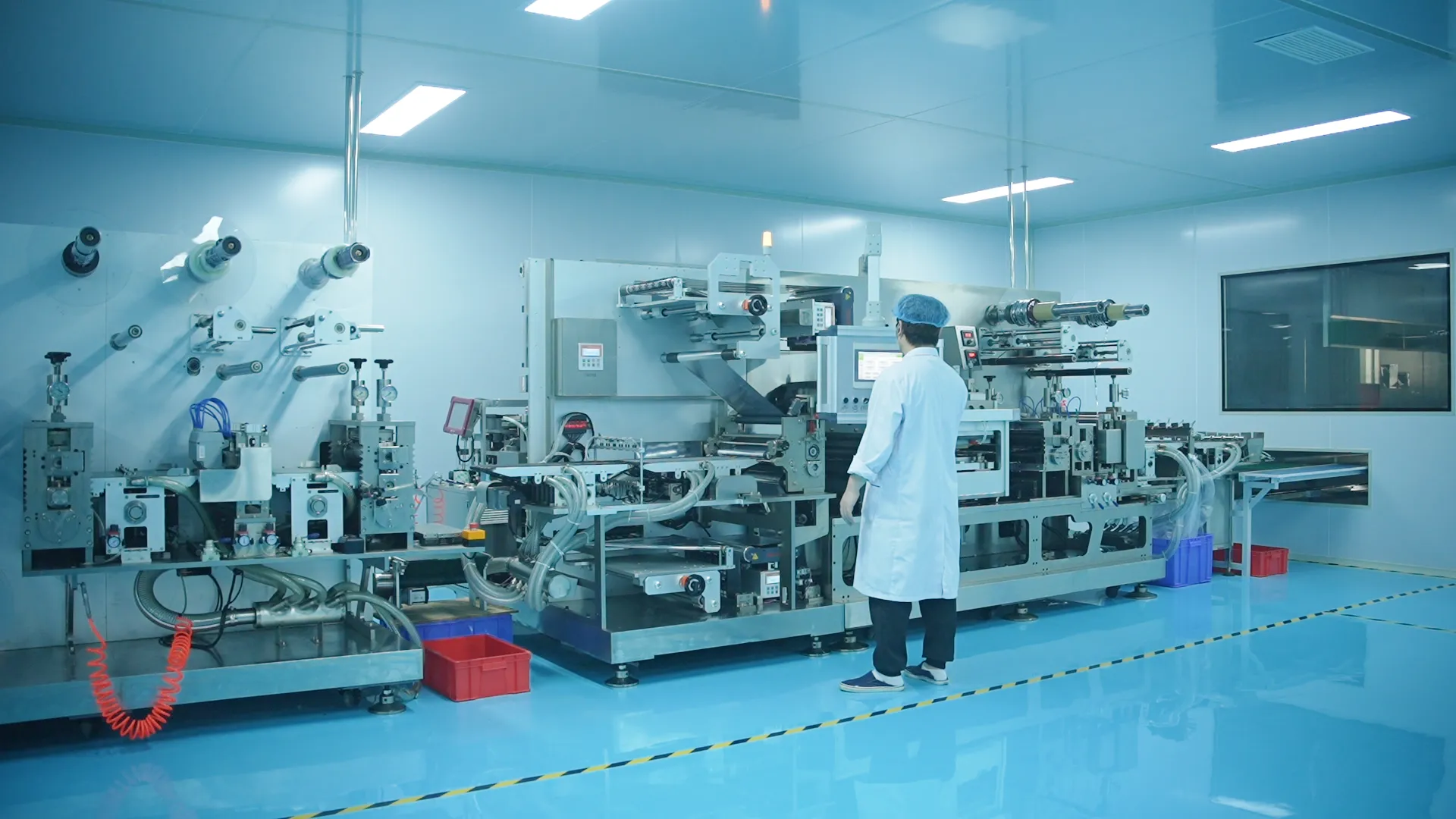
Q: Is “Made in China” always associated with low quality? A: Absolutely not. China is home to some of the world’s most advanced oral care R&D centers. The key is distinguishing between “trading companies” that chase the lowest price and “original manufacturers” (OEM/ODM) that invest in ISO-certified cleanrooms and automated production.
Q: Why is pH balance so critical in teeth whitening gels? A: If the pH is too low (acidic), it erodes dental enamel and causes severe pain. If it’s too high, the whitening reaction won’t trigger. Low-cost gels often fluctuate, leading to inconsistent results.
Conclusion: Calculating the True ROI
When evaluating your next B2B dental quote, don’t just look at the bottom line. Ask yourself: Is this supplier’s certification valid? What is the documented stability of this formula? What is the replacement policy for defective units?
The most expensive product in the world is the one that you cannot sell, the one that gets stuck in customs, or the one that destroys your brand’s reputation. Investing in Quality Assurance (QA) and a reputable manufacturing partner is the only way to ensure sustainable growth in the oral care industry.
Free Download: B2B Dental Sourcing Quality Checklist
Before you sign your next purchase order, ensure your supplier meets these 12 critical quality benchmarks. [Click here to download the PDF]
Post time: Feb-10-2026