



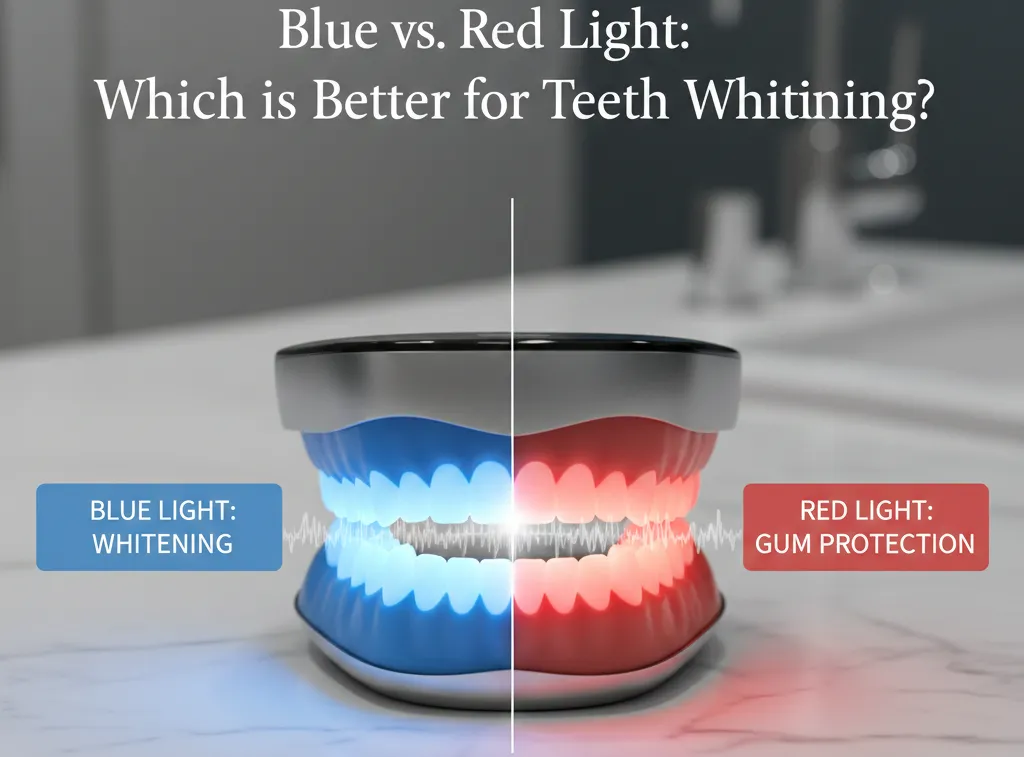
 In the rapidly evolving world of cosmetic dentistry, the quest for a brighter smile has moved beyond simple bleaching gels. Today, professional-grade systems are integrating advanced light technologies that were once exclusive to high-end dental clinics.
But as a savvy consumer or a B2B buyer looking for the next industry standard, a critical question arises: Blue vs. Red light—which is actually better for teeth whitening?
The answer isn’t a simple choice between one or the other. It’s about understanding the synergy between two distinct wavelengths. In this 2026 guide, we dive deep into the science, the results, and why Dual-Light Technology is becoming the benchmark for oral health and business growth.
1. The Science of Blue Light: The “Accelerator”
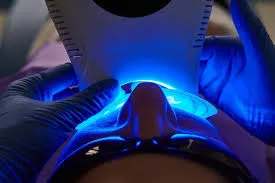
Blue light (typically in the 460-480nm wavelength) has long been the gold standard in tooth whitening. But how does it work?
How Blue Light Whitens
Blue light acts as a catalyst. When you apply a whitening gel containing hydrogen peroxide or carbamide peroxide, the blue LED light energizes the oxygen molecules within the gel. This process, known as photo-activation, speeds up the chemical reaction that breaks down organic pigments (stains) on and within the tooth enamel.
Key Benefits of Blue Light:
- Speed: Reduces treatment time from hours to just 15–30 minutes.
- Efficacy: Lifts deep-seated stains from coffee, wine, and tobacco more effectively than gel alone.
- Precision: Targets extrinsic and intrinsic discoloration with high-intensity focus.
2. The Science of Red Light: The “Protector”
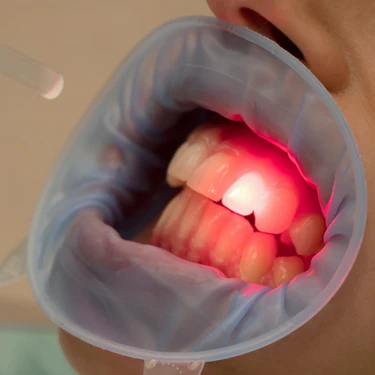
While blue light focuses on aesthetics, Red light (620-660nm) focuses on biological health. This is the technology that sets premium modern kits apart from generic competitors.
The Role of Photobiomodulation (PBM)
Red light therapy (RLT) works through a process called photobiomodulation. It penetrates deeper into the soft tissues (gums) and the pulp chamber of the tooth.
Why Red Light is Essential for Whitening:
- Sensitivity Prevention: The most common complaint about whitening is “zingers” or tooth sensitivity. Red light calms the dental nerves and reduces inflammation in the pulp.
- Gum Protection: It stimulates collagen production and blood flow in the gums, helping to repair micro-irritations caused by peroxide gels.
- Bacteria Balance: Certain wavelengths of red light have been shown to reduce harmful oral bacteria, promoting overall hygiene.
3. Comparison Table: Blue Light vs. Red Light
| Feature | Blue LED Light | Red LED Light |
| Primary Goal | Cosmetic Whitening | Gum Care & Sensitivity Relief |
| Wavelength | 460–480 nm | 620–660 nm |
| Action | Accelerates oxidation in gels | Stimulates cellular repair (ATP) |
| Best For | Removing yellow stains | Sensitive teeth & gum health |
| Result | Immediate brighter smile | Comfortable, pain-free experience |
4. The Shift Toward Dual-Light Integration
In 2026, the debate is no longer about Blue vs. Red. It is about Dual-Light Integration.
Top-tier solutions in the market today have moved toward 32-LED technology (typically a configuration of 16 Blue + 16 Red bulbs). This allows the user to whiten their teeth and protect their gums simultaneously.
5. B2B Advantage: Why Wholesalers Prefer Hybrid Tech
For distributors and brand owners, choosing a device that incorporates both wavelengths offers significant market advantages:
- Lower Return Rates: By addressing sensitivity at the source, brands eliminate the #1 reason for negative reviews.
- Market Differentiation: While the market is flooded with single-light devices, dual-mode kits position a brand in the “Professional/Clinical” category.
- Consumer Trust: Offering a “Sensitivity-Free” solution builds long-term loyalty, especially in the private label sector where the IVISMILE framework is often used as a quality benchmark.
6. FAQ: Your Questions Answered
Q: Does red light actually whiten teeth?
A: No, red light itself does not bleach teeth. Its primary role is to provide therapy for the gums and nerves, making the chemical whitening process much more comfortable.
Q: Is dual-light technology safe for sensitive teeth?
A: Absolutely. It is considered the preferred method for those with a low pain threshold, as the red light helps desensitize the nerves during active bleaching.
Q: What is the recommended treatment time for dual-light kits?
A: Most professional kits recommend a 15-minute session. Devices with integrated auto-timers are ideal to ensure the enamel is not over-exposed.
Conclusion: The Verdict
Which is better?
- If you want results, you need Blue Light.
- If you want comfort, you need Red Light.
- If you want to lead the market, you need Both.
By choosing a Dual-Light system, you are ensuring a professional-grade result without the professional-grade pain. For wholesalers and brand owners, this represents the most secure investment in the 2026 dental aesthetics market.
Post time: Jan-27-2026